

Hair removal choices are hygiene and timing decisions
Adult grooming advice online swings between hard sell and horror stories. For Brazilian wax appointments, laser courses and upper-lip sessions, the useful questions are calmer: how your skin usually reacts, how long results last, what aftercare looks like and whether the room feels private and clean. This piece stays educational. It is not a booking pitch and it skips graphic detail on purpose.
For a first look, this salon overview for wax bookings is a practical starting point for seeing how salons describe Brazilian wax visits, patch tests and booking windows. Read the prep notes before you decide anything, including whether wax is even the right method for you this month.
Privacy habits differ by salon. Ask who stays in the room, how draping works and whether you can pause at any time. Those questions are ordinary, not awkward.
Wax timing, skin and aftercare in plain language
Wax removes hair from the root, so regrowth is slower than shaving, but skin still needs recovery time. Avoid waxing over broken skin, fresh sunburn or active irritation. If your clinician agrees, gentle exfoliation in the days before can help. Afterwards, wear loose clothing, keep the area clean and skip harsh fragrances for a day or two.
Consumer summaries such as AAD notes on hair removal outline common methods and irritation risks without influencer gloss. If a salon cannot explain aftercare in ordinary sentences, keep looking. The Canadian Centre for Occupational Health and Safety also publishes hygiene primers that are a useful reminder that clean tools and hand hygiene are non-negotiable in any personal-care room.
Laser visits are a series, not a single event
Laser targets pigment in the follicle. Darker hair on lighter skin tends to respond more predictably. Darker skin tones need devices and settings chosen carefully by trained staff to reduce burn and pigment-change risk. Results build across sessions because hair grows in cycles, so a single visit is rarely the whole story.
A clinic page on longer-term hair reduction options should set expectations about course length rather than promising instant permanence. Ask what happens if you miss a session, how they document settings and whether a test patch is standard for first-timers.
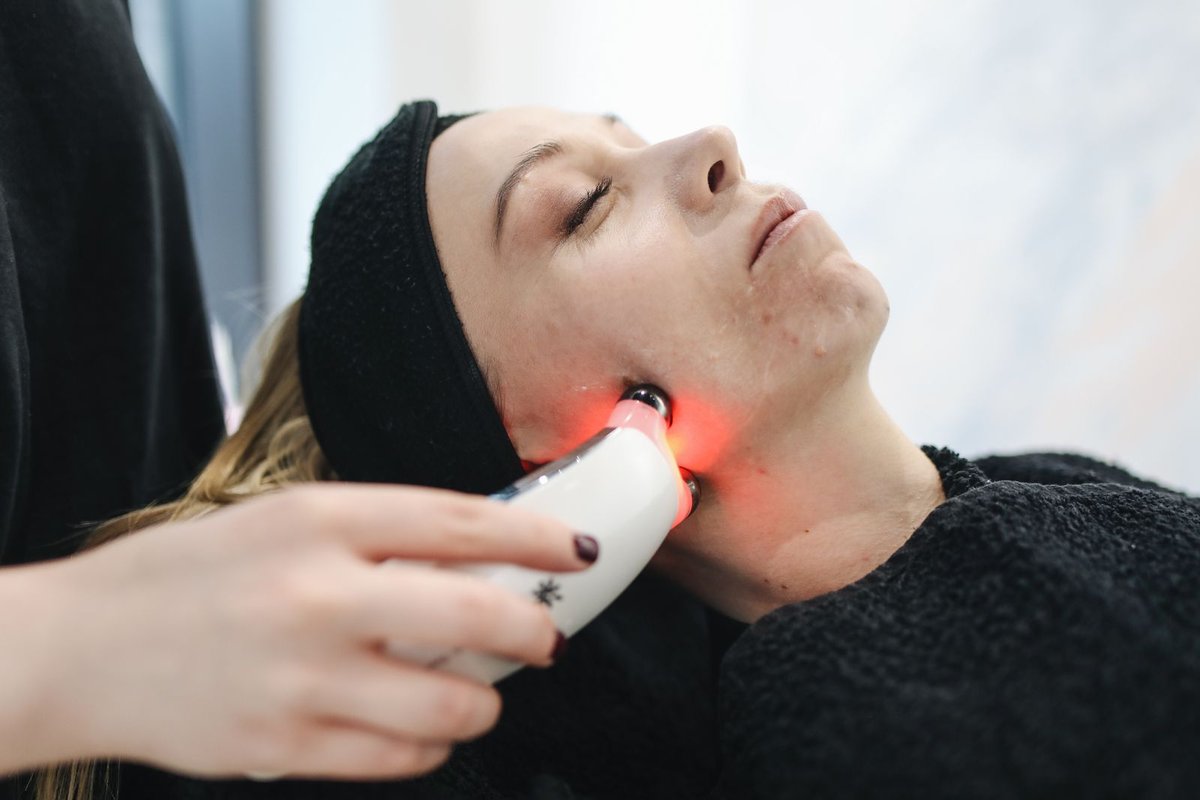
A side-by-side explanation of common hair-removal methods and what each can realistically do.
Upper-lip work is small but easy to rush
Lip-area hair is fine and visible, which is why technique and patch testing matter more than people expect for such a small zone. Ask what device or wax system is used, how the clinician handles pigmentation risk and what to do if redness lingers past a day. Reading this short guide to lip-area laser visits can show how clinics describe session length and spacing.
Guidance collections from the International Labour Organization on workplace health are a sideways reminder that personal-care work is still work: training, rest and clean procedure protect both client and staff.
A calm checklist before you book anything
Write down your skin history, any medications that increase light sensitivity and what you already tried. Ask who performs the treatment and what training they completed. Confirm patch-test policy, cancellation rules and how they handle a reaction after hours. Then decide whether wax, laser or simply waiting fits your calendar and comfort level.
There is no prize for rushing an appointment your skin is not ready for. A quiet week of prep questions usually produces a better outcome than a same-day impulse booking made under social pressure.
If you are comparing salons, keep a tiny scorecard: training transparency, patch-test habit, aftercare clarity, room privacy and how staff answer a nervous question. The salon that scores evenly usually beats the one that only wins on price or on a single glowing review.
Give yourself permission to leave without booking. Adult grooming works better when the decision feels deliberate. Your skin and your schedule both benefit from that pause.