Kajang Landed Homes, Kajang 2 Projects and Semenyih

Craftsman-style two-storey house with three-car garage and stone accents lit at sunset above a wet driveway

Landed shopping in Kajang starts with travel time, not facade photos

Buyers comparing new landed homes south of Kuala Lumpur often jump to elevation shots before they measure weekday travel, school runs, and flood history. A pretty gable does not shorten a jam at the highway ramp. Write your maximum commute in minutes for peak hours, then discard layouts that only work on Sunday afternoon visits. Include motorcycle or third-car needs if your household already owns them.

Loan vocabulary from the Association of Banks in Malaysia (ABM) and responsible borrowing notes from Bank Negara Malaysia help you price the house you can keep, not only the house you can book. Land administration context from JKPTG is useful when title categories and state practice start to appear in lawyer emails. Keep those public pages beside developer brochures so vocabulary stays consistent.

Kajang landed house pages: layout before lighting

Terrace, semi-detached, and detached formats change parking, privacy, and maintenance. Walk the show unit after rain if you can. Listen for highway noise the brochure never mentions. Ask which compounds are common property and who funds drain repairs between lots. Check afternoon glare on west-facing rooms with the curtains open.

When you want a structured overview of how Kajang new landed offerings are described for buyers, read this Kajang landed house guide and turn each claim into a site-visit question. Note built-up versus land size, storey count, and whether the kitchen exhaust path makes sense for your cooking habits. Photos rarely show the laundry drying route or the bin collection point.

Kajang 2 projects need a separate project checklist

Project pages should clarify tenure, expected completion windows, and what is included in the package price. Compare the site plan with your actual parking needs if two cars and a motorcycle share one lot. Ask how access roads will look during neighbouring construction phases. Ask about interim maintenance fees before vacant possession.

A dedicated project brief such as a Kajang 2 project overview helps you list documents to request from the sales team. Keep a folder for the booking form, the schedule of finishes, and any verbal promise you want in writing. If a promise cannot be written, treat it as undecided. Photograph sample boards with a colour card so memory does not invent a cooler white later.

Educational macro framing for household debt cycles when a landed purchase stretches over decades.

Semenyih as a neighbouring landed search

Some households compare Kajang with Semenyih for price, plot size, and quieter streets. The trade-off is often travel time into the city and fewer rail options. Visit both areas at the hour you would actually leave for work. Check mobile coverage in the show unit; marketing Wi-Fi is not the same as daily coverage. Speak with nearby residents about water pressure if you can do so politely.

For a homepage-level map of Semenyih landed positioning, open this Semenyih landed home page and note how the developer groups freehold messaging and layout types. Use it beside Kajang notes so you compare like with like: land size, storeys, and estimated monthly loan, not only the widest driveway photo. Re-run the loan stress test if Semenyih prices look kinder but transport costs rise.
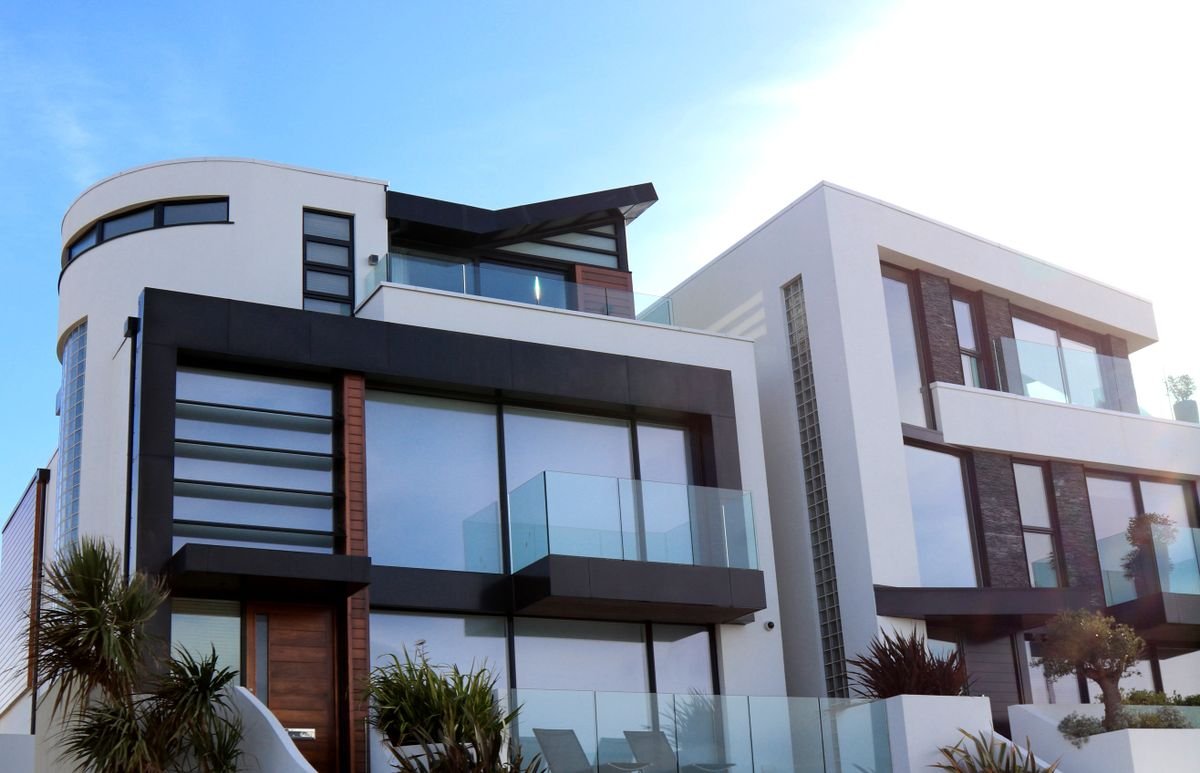
Low-angle view of a modern white and dark grey multi-storey house with glass balconies under a clear blue sky
Contemporary facades photograph well; confirm maintenance rules for glass, paint and shared walls before booking.

Homework before any booking fee

List your true monthly ceiling after EPF, existing debts, and a cash buffer. Compare two layouts in daylight and after rain. Confirm tenure and restriction language with a conveyancing lawyer in that state. Measure the garage with the cars you already own. Ask who pays when a shared drain fails. The house you keep is the one whose paperwork, payment, and weekday routine all survive an ordinary stressful month, not only a launch weekend with free balloons.

Brazilian Wax, Laser and Upper Lip Hair Removal in Malaysia: Calm Prep Notes

Clinician in a white coat and gloves cleansing a client's face with a sponge on a treatment bed

Hair removal choices are hygiene and timing decisions

Adult grooming advice online swings between hard sell and horror stories. For Brazilian wax appointments, laser courses and upper-lip sessions, the useful questions are calmer: how your skin usually reacts, how long results last, what aftercare looks like and whether the room feels private and clean. This piece stays educational. It is not a booking pitch and it skips graphic detail on purpose.

For a first look, this salon overview for wax bookings is a practical starting point for seeing how salons describe Brazilian wax visits, patch tests and booking windows. Read the prep notes before you decide anything, including whether wax is even the right method for you this month.

Privacy habits differ by salon. Ask who stays in the room, how draping works and whether you can pause at any time. Those questions are ordinary, not awkward.

Wax timing, skin and aftercare in plain language

Wax removes hair from the root, so regrowth is slower than shaving, but skin still needs recovery time. Avoid waxing over broken skin, fresh sunburn or active irritation. If your clinician agrees, gentle exfoliation in the days before can help. Afterwards, wear loose clothing, keep the area clean and skip harsh fragrances for a day or two.

Consumer summaries such as AAD notes on hair removal outline common methods and irritation risks without influencer gloss. If a salon cannot explain aftercare in ordinary sentences, keep looking. The Canadian Centre for Occupational Health and Safety also publishes hygiene primers that are a useful reminder that clean tools and hand hygiene are non-negotiable in any personal-care room.

Laser visits are a series, not a single event

Laser targets pigment in the follicle. Darker hair on lighter skin tends to respond more predictably. Darker skin tones need devices and settings chosen carefully by trained staff to reduce burn and pigment-change risk. Results build across sessions because hair grows in cycles, so a single visit is rarely the whole story.

A clinic page on longer-term hair reduction options should set expectations about course length rather than promising instant permanence. Ask what happens if you miss a session, how they document settings and whether a test patch is standard for first-timers.

A side-by-side explanation of common hair-removal methods and what each can realistically do.

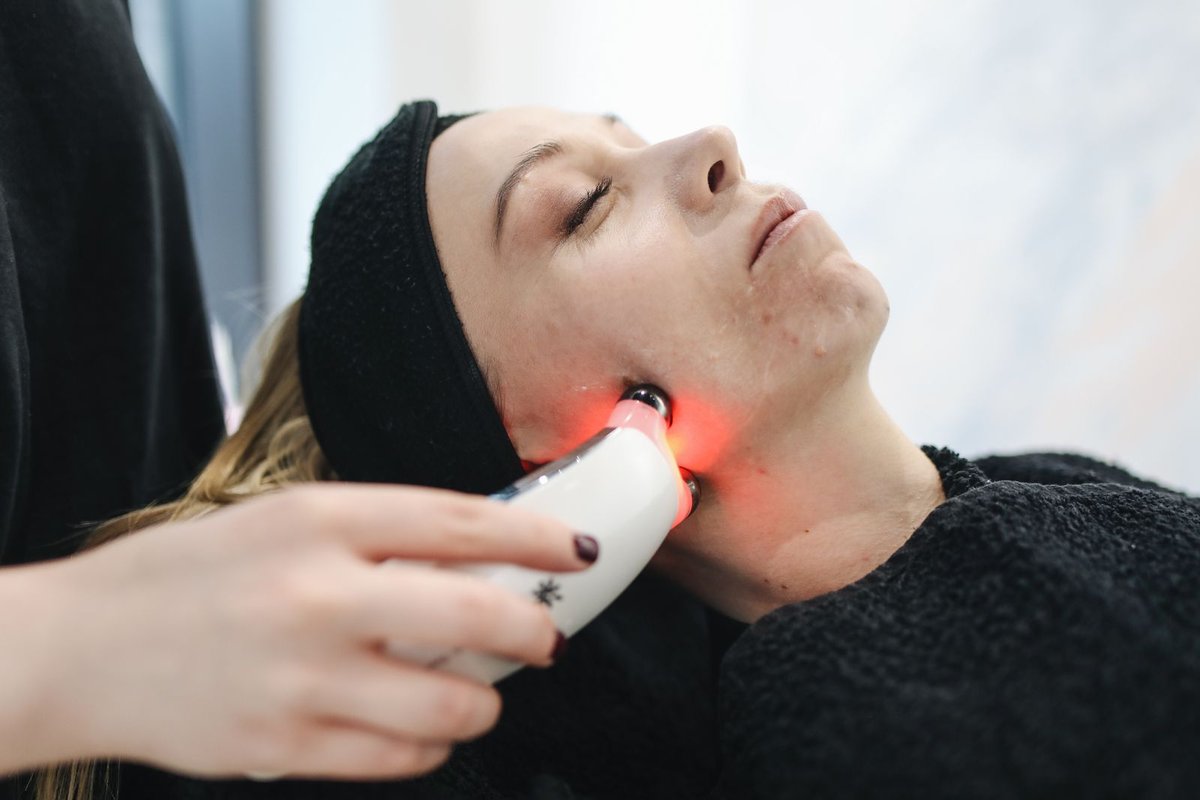
Practitioner holding a handheld red-light device against a client's jawline
Light-based devices call for a clear explanation of skin type, settings and aftercare before the first pulse.

Upper-lip work is small but easy to rush

Lip-area hair is fine and visible, which is why technique and patch testing matter more than people expect for such a small zone. Ask what device or wax system is used, how the clinician handles pigmentation risk and what to do if redness lingers past a day. Reading this short guide to lip-area laser visits can show how clinics describe session length and spacing.

Guidance collections from the International Labour Organization on workplace health are a sideways reminder that personal-care work is still work: training, rest and clean procedure protect both client and staff.

A calm checklist before you book anything

Write down your skin history, any medications that increase light sensitivity and what you already tried. Ask who performs the treatment and what training they completed. Confirm patch-test policy, cancellation rules and how they handle a reaction after hours. Then decide whether wax, laser or simply waiting fits your calendar and comfort level.

There is no prize for rushing an appointment your skin is not ready for. A quiet week of prep questions usually produces a better outcome than a same-day impulse booking made under social pressure.

If you are comparing salons, keep a tiny scorecard: training transparency, patch-test habit, aftercare clarity, room privacy and how staff answer a nervous question. The salon that scores evenly usually beats the one that only wins on price or on a single glowing review.

Give yourself permission to leave without booking. Adult grooming works better when the decision feels deliberate. Your skin and your schedule both benefit from that pause.

Choosing a Training Room or Function Hall in KL

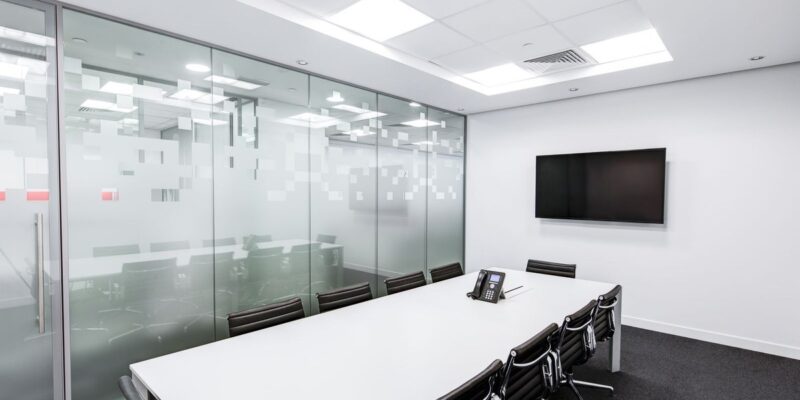
Empty modern conference room with a white table, black chairs, wall TV, and frosted glass partition

Matching room type to the actual meeting shape

A product workshop, a board update, and a public seminar rarely need the same four walls. In Kuala Lumpur, people often search “training room” or “function hall” as if the labels were interchangeable. They are not. A training room usually favours tables, power at every seat, and breakout corners. A seminar room prioritises sightlines to a stage and quiet acoustics for longer talks. A larger function hall absorbs receptions, exhibitions, or mixed programmes with circulating guests. Start by naming the work that will happen hour by hour, then shortlist venues that fit that shape rather than chasing the largest advertised capacity.

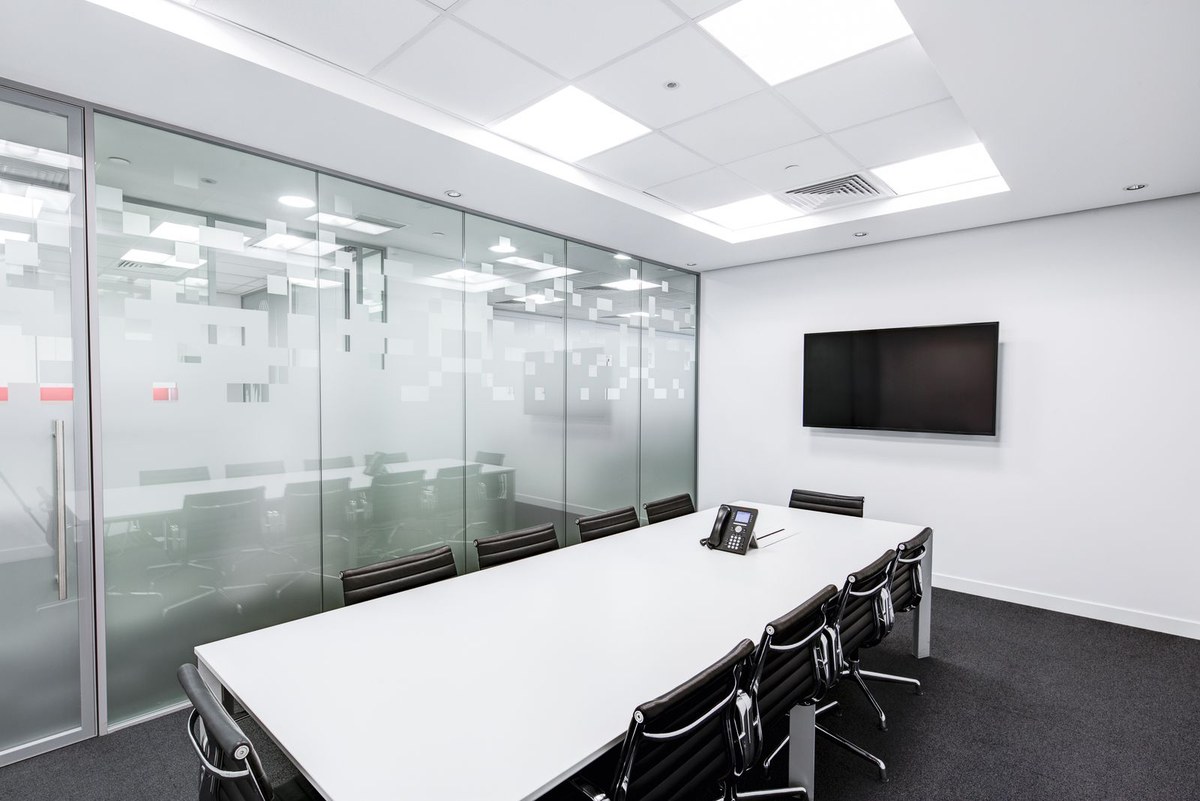
Empty modern conference room with a white table, black chairs, wall TV, and frosted glass partition
Match the room type to the meeting shape before you quote headcount from a brochure.

Malaysia Convention and Exhibition Bureau materials on MICE planning are a practical public reference for how organisers think about space, flow, and service levels. Tourism Malaysia pages on business events, alongside Ministry of Tourism portals, add context on how KL venues are typically positioned for domestic and regional meetings. Those sources will not book a room for you, but they clarify vocabulary shared by professional operators.

Write a one-sentence purpose for the gathering. If that sentence emphasises decision-making, you likely need tables and whiteboards. If it emphasises broadcast learning, you need sightlines and reliable audio. If it emphasises networking, open floor and catering choreography matter more than classroom rows.

Capacity, AV, and layout trade-offs in KL venues

Quoted capacity assumes a layout. Theatre style packs more people than classroom or U-shape. Ask for the exact chair count under your preferred setup, not the maximum marketing figure. Confirm projector brightness, wireless mic count, livestream bandwidth, recording rights, and whether the venue staffs a technician for the full hire window. Pages that list a function hall for rent in KL should be read alongside a floor plan and an AV rider, not as a substitute for either.

If attendees will move between discussion pods, measure walking time between rooms and check whether doors slam into neighbouring sessions. Split buildings can quietly consume coffee breaks. Ask how blackout curtains, pillar placement, and window glare affect screen visibility at 3 pm.

Bring your own laptop for a five-minute HDMI and wireless display test during the site visit. Assumptions about adapters waste the first ten minutes of many KL sessions.

Budget lines that surprise first-time bookers

Room rental is only one line. Catering minimums, corkage, overtime after the contracted end time, parking validations, weekend premiums, and public-holiday surcharges often decide the real total. Some KL buildings charge for loading dock access, banner installation, or extended air-conditioning after 6 pm. Write every assumption into the quotation email and request a single consolidated estimate before deposits move.

Compare inclusions across hotels, dedicated training centres, and co-working function spaces using the same checklist. A cheaper room with weak Wi-Fi and no on-site tech support can cost more once you hire freelancers and buy emergency data SIMs. Keep a contingency of at least ten percent for last-mile logistics such as printed materials and temporary storage.

Educational walkthrough of planning steps from brief to show-day execution.

A simple site-visit checklist before you sign

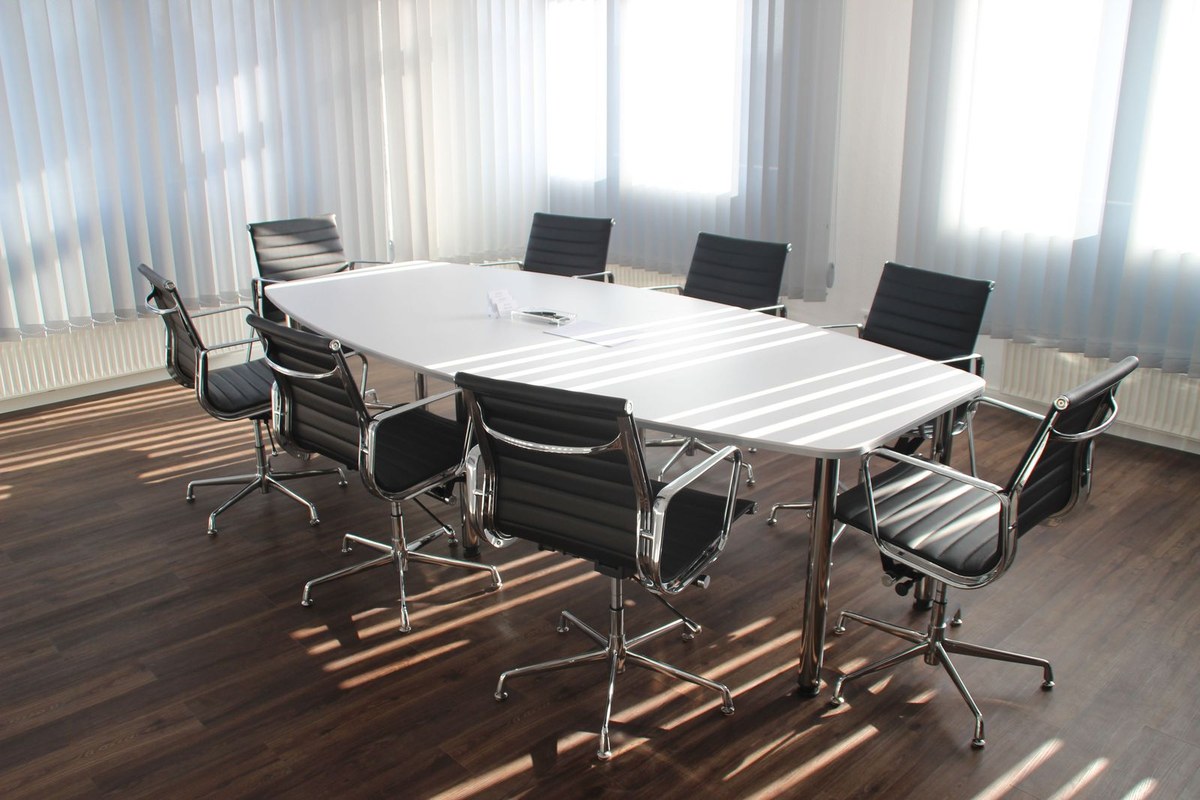
Sunlit conference room with a white boat-shaped table, eight black chairs, and striped light through blinds
A site visit checklist catches AV, capacity, and budget lines that surprise first-time bookers.

Walk the entrance guests will use, including lift capacity at peak arrival. Test mobile signal and Wi-Fi with your own device in the corners of the room. Stand at the back row and check screen visibility. Ask how sound from neighbouring rooms is managed during simultaneous bookings. Confirm load-in path for banners or demo kits, and photograph power outlet locations relative to the stage.

Only after that visit should a booking form be signed. Keep a one-page brief that lists date windows, headcount bands, layout, AV must-haves, catering constraints, and budget ceiling. Venues respond faster when those points are already decided, and your internal stakeholders can approve the same sheet without another meeting cycle.