
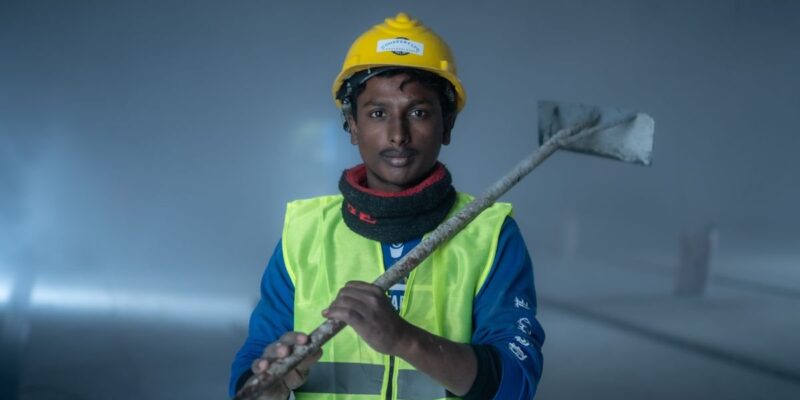
One accident, more than one policy
Picture a Tuesday morning on a renovation job in Ang Mo Kio. A worker slips off a ladder, lands badly on his wrist and spends the afternoon at a polyclinic. By evening the site supervisor has a medical certificate in hand, the HR person has three questions, and nobody is quite sure which insurer to call first.
That confusion is normal. Singapore employers usually juggle a few separate layers of cover for staff, and each one answers a different question. Work injury compensation deals with injuries that happen because of work. Work pass medical insurance is about hospital bills for migrant workers, whether or not the illness has anything to do with the job. Company medical benefits sit on top as something the employer chooses to offer. Mixing them up is how claims stall.
What WICA is there to do
The Ministry of Manpower describes the Work Injury Compensation Act as a way for employees to claim for work-related injuries or diseases without filing a civil suit. It is meant to be quicker and cheaper than going to court, and the worker does not need a lawyer. In return, the employee picks one route: a WICA claim or a common law claim, not both.
Compensation under the Act usually falls into three buckets: wages for medical leave, medical expenses, and a lump sum if the injury leaves permanent incapacity or causes death. It is no-fault, so the worker in Ang Mo Kio does not have to prove that anyone was careless.
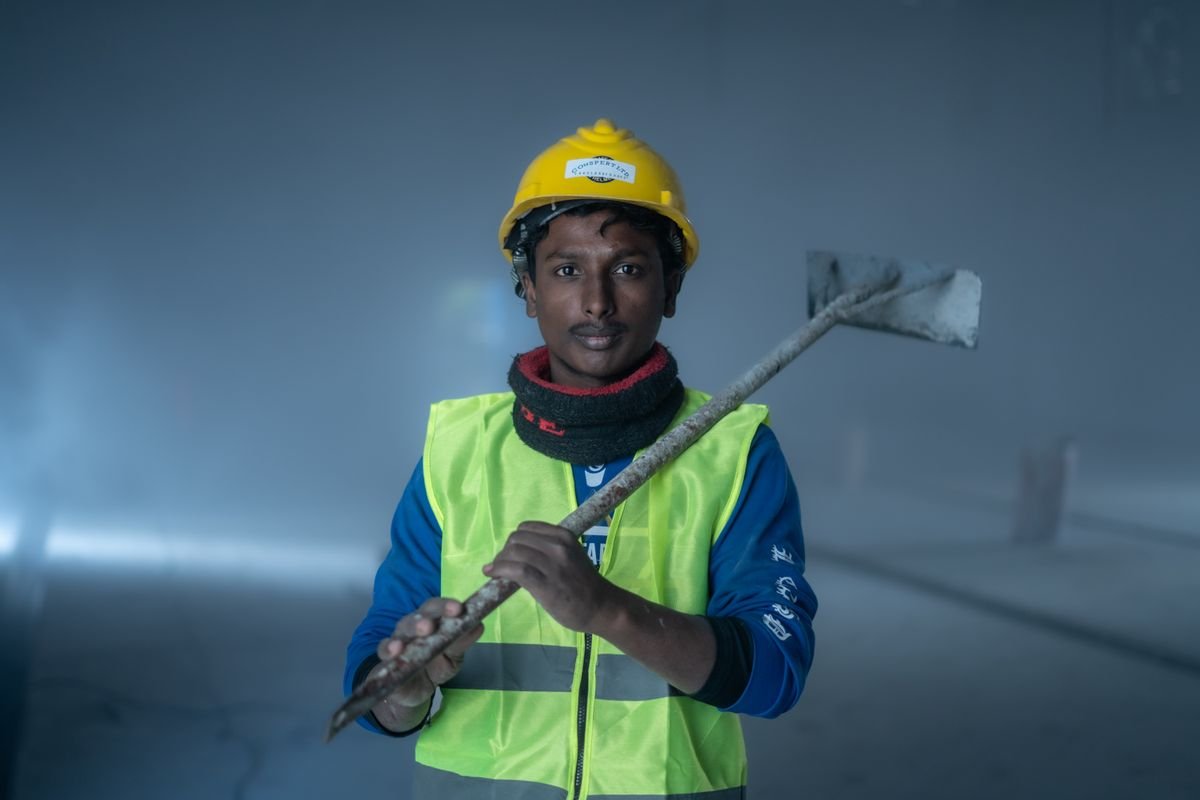
One detail trips up a lot of small firms. The Act covers most employees, but the duty to buy insurance applies to specific groups: all manual workers, and non-manual staff earning S$2,600 or less in basic monthly pay. If an office manager above that line gets hurt at work, the company is still liable to pay. It simply has no policy behind it unless it chose to buy one. Reading through a plain breakdown of WICA policies for employers is a quick way to check where your own headcount falls.
Work Permit and S Pass holders bring a separate rule
Migrant workers add a second, unrelated obligation. For each Work Permit and S Pass holder, MOM requires employers to buy and maintain medical insurance for inpatient care and day surgery, and the premium cannot be passed on to the worker. The current requirements set an annual claim limit of at least S$60,000, with insurers and employers sharing bills above S$15,000 on a 75 to 25 split.
This policy covers hospital stays that have nothing to do with work, such as dengue or appendicitis. A work injury still goes through WICA. Treat them as two different folders, with two different insurers if that is how you bought them.
Employment Pass holders are a grey zone for many SMEs. The mandatory medical insurance rule does not apply to them, and foreigners cannot join MediShield Life, the national scheme that automatically covers Singapore Citizens and Permanent Residents. If an EP holder is not on a company plan and has no private cover, a big hospital bill lands on them alone. David Ho’s notes on health cover for foreign staff and expats lay out how the two groups differ.
Worker-rights group TWC2 walks through what an injured worker should do after an accident (about 5 minutes).
Where company medical benefits come in
Everything above is about legal minimums. Group hospitalisation, outpatient GP visits, specialist care and dental are optional, and that is where employers compete for staff. For the injured worker, a company outpatient plan might cover a follow-up visit for an unrelated cough the same month, while WICA handles the wrist.

When HR teams design a benefits package, the useful question is less “what is the best plan” and more “what is already covered by law, and what gap are we filling?” Mapping that out before talking to an insurer keeps the conversation short. If you want a sense of what a typical staff benefits package includes, start with inpatient, outpatient and accident cover, then decide which extras your team would actually use.
A short review to do before renewal
Pull your staff list and sort it into three groups: manual workers, non-manual staff at or under S$2,600 basic pay, and everyone else. Check that each group sits on the right WICA policy. Then list every Work Permit and S Pass holder and confirm their medical insurance meets the current MOM limits. Finally, note who has no hospital cover at all beyond what the law requires.
Keep one shared folder with policy numbers, insurer contacts and the MOM incident reporting steps. When the next Tuesday morning call comes, the supervisor should be able to find it in under a minute.